Archives
- 2026-10
- 2026-09
- 2026-08
- 2026-07
- 2026-06
- 2026-05
- 2026-04
- 2026-03
- 2026-02
- 2026-01
- 2025-12
- 2025-11
- 2025-10
- 2025-09
- 2025-03
- 2025-02
- 2025-01
- 2024-12
- 2024-11
- 2024-10
- 2024-09
- 2024-08
- 2024-07
- 2024-06
- 2024-05
- 2024-04
- 2024-03
- 2024-02
- 2024-01
- 2023-12
- 2023-11
- 2023-10
- 2023-09
- 2023-08
- 2023-07
- 2023-06
- 2023-05
- 2023-04
- 2023-03
- 2023-02
- 2023-01
- 2022-12
- 2022-11
- 2022-10
- 2022-09
- 2022-08
- 2022-07
- 2022-06
- 2022-05
- 2022-04
- 2022-03
- 2022-02
- 2022-01
-
Derivatives of M that possess either an
2023-02-06
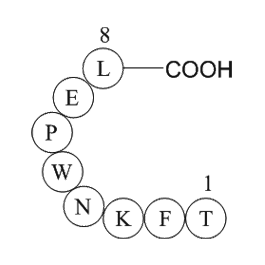
Derivatives of (+)-M100907 that possess either an alkyne or an azide have been synthesized. The most active enantiomer was obtained by resolution of a relatively early intermediate in the synthesis. The ability of these Voriconazole mg to maintain 5-HTR antagonist properties as (+)-M100907 was demo
-
br Involvement of LPA receptors in cancer LPA s effects
2023-02-01
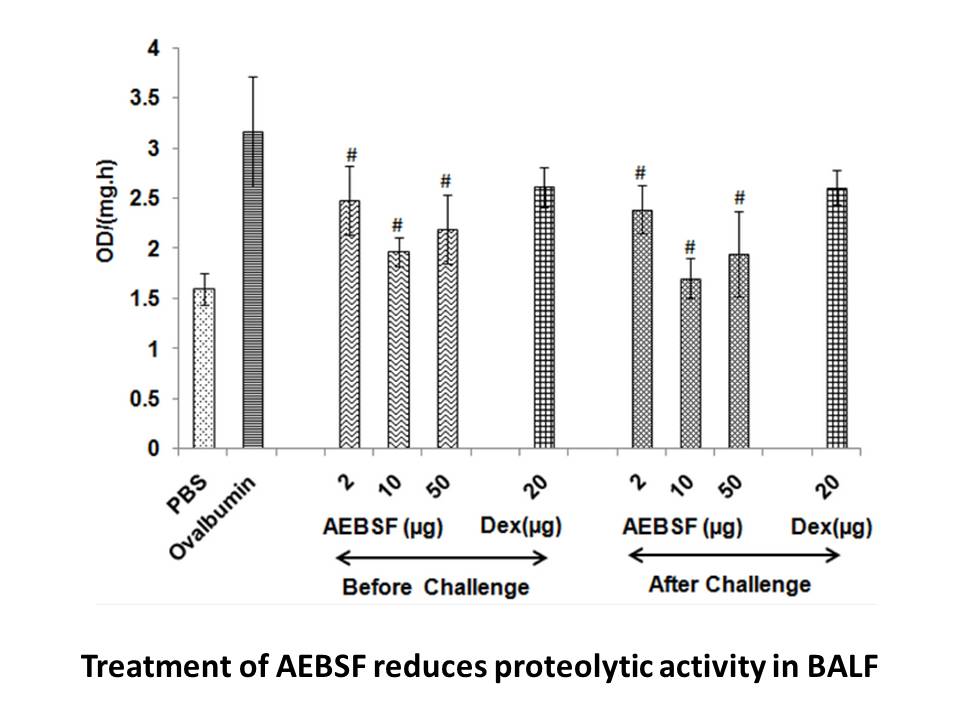
Involvement of LPA receptors in cancer LPA׳s effects are mediated by at least six different G protein-coupled receptors (LPA1–6). Human gastric and ovarian cancers overexpress the mRNA encoding LPA1 and LPA2 compared to healthy tissues [6], [11], [12]. Papillary and follicular thyroid cancers exh
-
While the yeasts and see Glossary each contain
2023-02-01
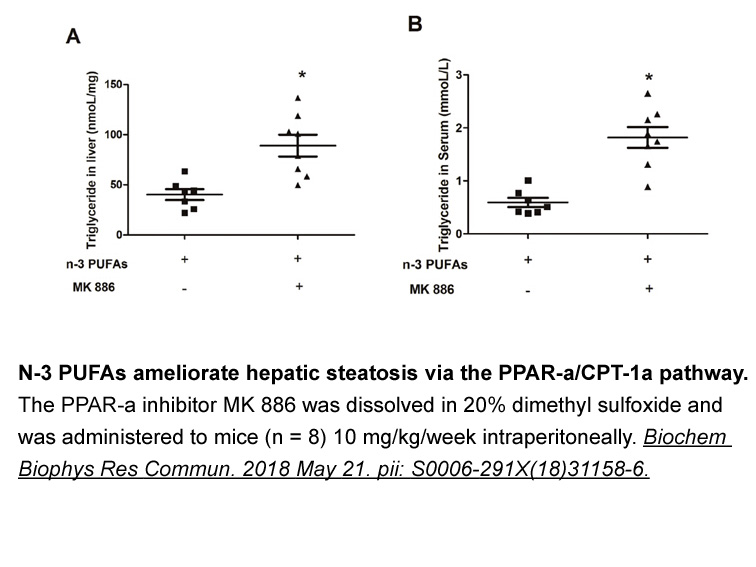
While the yeasts and (see Glossary) each contain only one Aurora homolog, Ipl1p (increase in ploidy 1) and Ark1 (Aurora-related kinase 1), respectively 5, 6, , and Xenopus laevis contain two Aurora kinases: Aurora A and Aurora B [4]. Mammals have three Aurora kinases, A, B, and C (Figure 1). In an
-
WST Cell Proliferation Colorimetric Assay Kit plus Recent p
2023-02-01
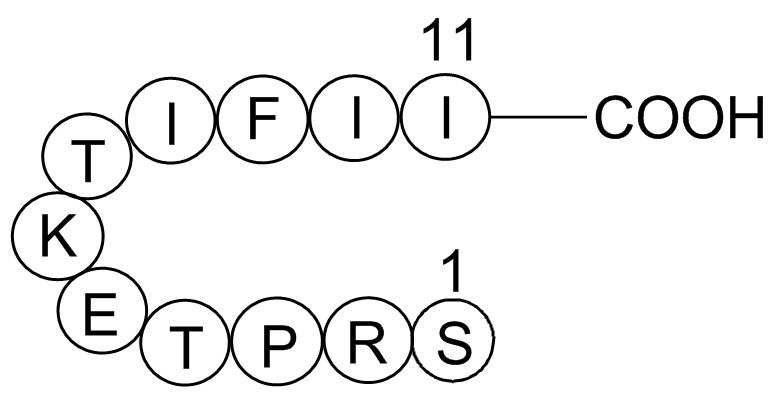
Recent progress has been made in translating animal findings on memory performance and amnestic effects – that are largely determined by tonically active receptors in which α5 contributes to the benzodiazepine binding site. Based on the observation that deletion of this subunit led to improved spati
-
In previous years evidence emerged that inferred secondary m
2023-02-01
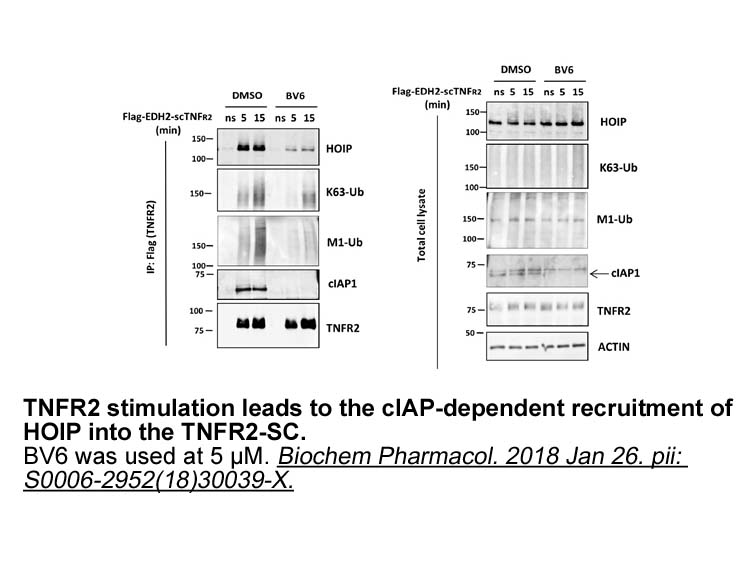
In previous years, evidence emerged that inferred secondary metabolites in plants might exhibit a potential arginase inhibition [36]. In a recent study, Pham and co-workers showed the inhibitory activity of chlorogenic Canine ANGPTL7 / Angiopoietin-like 7 Protein (Fc Tag) (7) and piceatannol (8) (
-
AMPK is a cellular energy sensor that is
2023-02-01

AMPK is a cellular energy sensor that is phosphorylated in response to high intracellular ADP levels to increase GLUT4 translocation into the cell, and subsequently, increase intracellular glucose levels to provide substrate to replenish ATP levels [25]. In metabolic syndrome, sequestration of plasm
-
br AR mediated actions in cells of the vascular wall
2023-02-01
AR-mediated actions in Ferulenol of the vascular wall Sex hormones may influence the size and composition of atherosclerotic lesions indirectly by modifying systemic cardiovascular risk factors such as plasma lipids profiles and insulin sensitivity; this aspect of their action is discussed elsewh
-
The amino acids evaluated in
2023-02-01
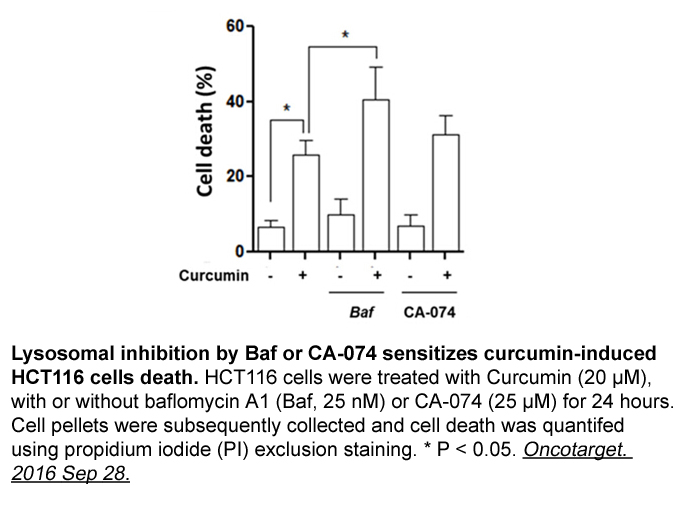
The amino acids evaluated in this study represent proteinogenic (amino acids that are applied in the genetic code) or even essential ones (amino acids that cannot be synthesised by the organism and need to be taken up by nutrition). Tryptophan, phenylalanine, tyrosine, isoleucine, threonine and vali
-
The lactam emerged as lead candidate due to
2023-02-01

The lactam (6) emerged as lead candidate due to its high selectivity, outstanding potency (against ALK or in clinically known ALK mutants), low in vitro clearance, and low efflux potential. The lactam (6) was selected for further profiling against the resistant ALK mutants. Preclinical rat pharmacok
-
Liver plays a pivotal role
2023-02-01
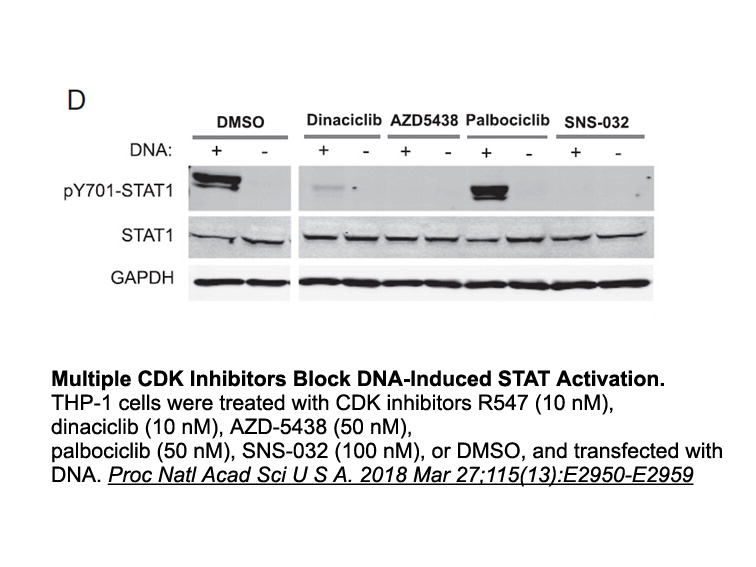
Liver plays a pivotal role in metabolism of xenobiotic compounds, such as environmental contaminants and drugs. Some of these compounds generate hepatic damage and impair its function. It was well-known that 2,3,7,8-tetrachlorodibenzo-p-dioxin (TCDD) could induce pathological changes in mouse and ra
-
Although the effects of adenosine receptor signaling
2023-02-01
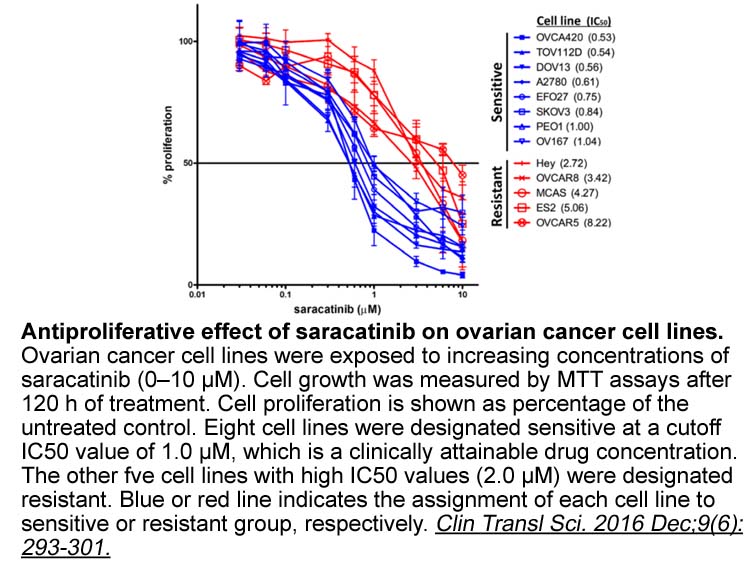
Although the effects of adenosine receptor signaling in acute renal IRI have been attributed to the generation of high concentrations of adenosine, we have recently reported an increase in kidney levels of both AMP and adenosine, with a concomitant fall in ATP and ADP. We have also previously demons
-
br Aberrantly enhanced adenosine signaling in
2023-02-01
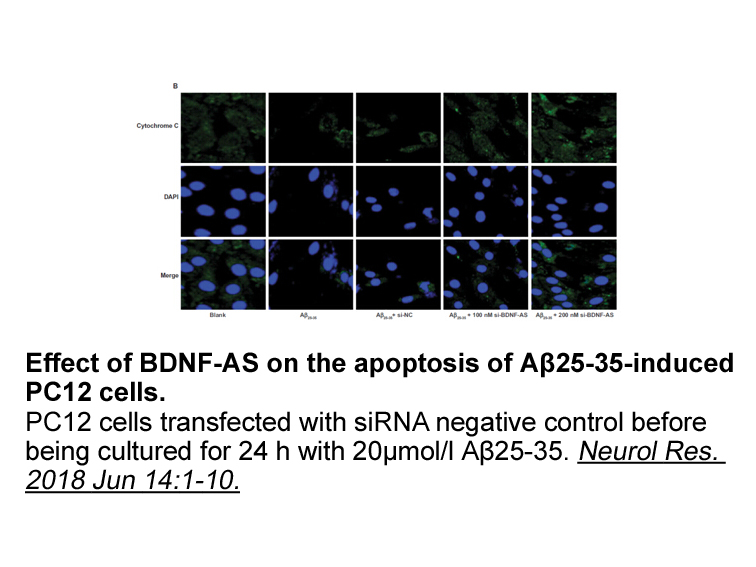
Aberrantly enhanced adenosine signaling in retina of oxygen-induced retinopathy Current therapeutic development of ROP focuses on directly targeting VEGF and HIF-1α signaling pathway (Cavallaro et al., 2014, Penn et al., 2008, Mintz-Hittner et al., 2011, Hartnett and Penn, 2012). However, cellula
-
br Acknowledgement This work was
2023-02-01
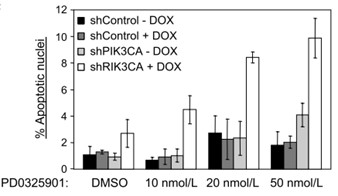
Acknowledgement This work was supported by grants from the American Heart Association Scientist Development Grant (SDG) to A. Elmarakby and 1R01EY023315-01 award to M. Al-Shabrawey. Introduction Inflammatory response is the result of a complex interaction between immune (+)-Usniacin australia
-
br The role of AMPK beyond energy
2023-02-01
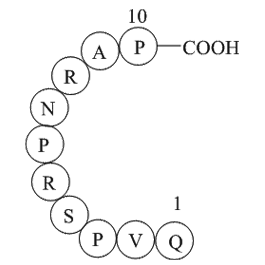
The role of AMPK beyond Apocynin homeostasis: regulating metabolism AMPK plays a major role in glucose homeostasis by modulating glucose transport in peripheral tissues [20]. Skeletal muscle, one of the main peripheral tissues involved in glucose uptake and disposal, expresses glucose transporte
-
br Conflict of interest br Financial support
2023-02-01
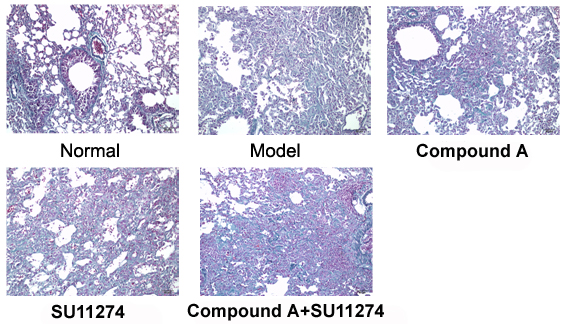
Conflict of interest Financial support Acknowledgments This work was supported by the Japanese Millennium project. We thank all members of the Center for Genomic Medicine of RIKEN and Dainippon-Sumitomo Pharma Co., Ltd. for supporting this study. We are also grateful to members of the Hiros
8272 records 371/552 page Previous Next First page 上5页 371372373374375 下5页 Last page