Archives
- 2026-07
- 2026-06
- 2026-05
- 2026-04
- 2026-03
- 2026-02
- 2026-01
- 2025-12
- 2025-11
- 2025-10
- 2025-09
- 2025-03
- 2025-02
- 2025-01
- 2024-12
- 2024-11
- 2024-10
- 2024-09
- 2024-08
- 2024-07
- 2024-06
- 2024-05
- 2024-04
- 2024-03
- 2024-02
- 2024-01
- 2023-12
- 2023-11
- 2023-10
- 2023-09
- 2023-08
- 2023-07
- 2023-06
- 2023-05
- 2023-04
- 2023-03
- 2023-02
- 2023-01
- 2022-12
- 2022-11
- 2022-10
- 2022-09
- 2022-08
- 2022-07
- 2022-06
- 2022-05
- 2022-04
- 2022-03
- 2022-02
- 2022-01
- 2021-12
- 2021-11
- 2021-10
- 2021-09
- 2021-08
- 2021-07
- 2021-06
- 2021-05
- 2021-04
- 2021-03
- 2021-02
- 2021-01
- 2020-12
- 2020-11
- 2020-10
- 2020-09
- 2020-08
- 2020-07
- 2020-06
- 2020-05
- 2020-04
- 2020-03
- 2020-02
- 2020-01
- 2019-12
- 2019-11
- 2019-10
- 2019-09
- 2019-08
- 2018-07
-
Beta-Lapachone australia Here we found that these leukotrien
2020-09-29

Here we found that these leukotriene antagonists also inhibit the effects of nucleotides acting at P2Y receptors in dU937 cells, which are known to express a number of nucleotide receptors, such as P2Y2 or P2Y4[30]. In an effort to characterize the P2 receptor subtypes subject to negative modulation
-
br CDK Regulators as Coactivators of NF B
2020-09-29
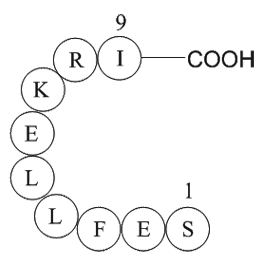
CDK Regulators as Coactivators of NF-κB and STAT CDK regulating proteins also have the ability to control the inflammatory response. The p21CIP1 protein binds to and inhibits the activity of cyclin–CDK4/6 and cyclin–CDK1/2 complexes. Consistent with its ability to inhibit CDK activity, deletion o
-
AMPK is a master regulator of metabolic homeostasis its
2020-09-29
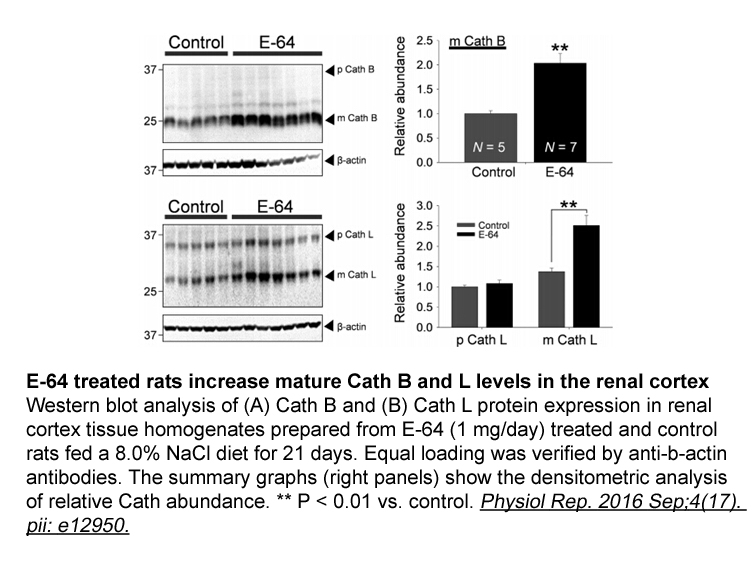
AMPK is a master regulator of metabolic homeostasis, its broad spectrum of metabolic activities makes it an attractive target for treatment of metabolic and related disorders including Diabetes and Obesity (Madhavi et al., 2018). It controls lipid metabolism through its target genes PPAR-γ, C/EBP-α
-
Sterol regulatory element binding proteins SREBPs regulate
2020-09-29
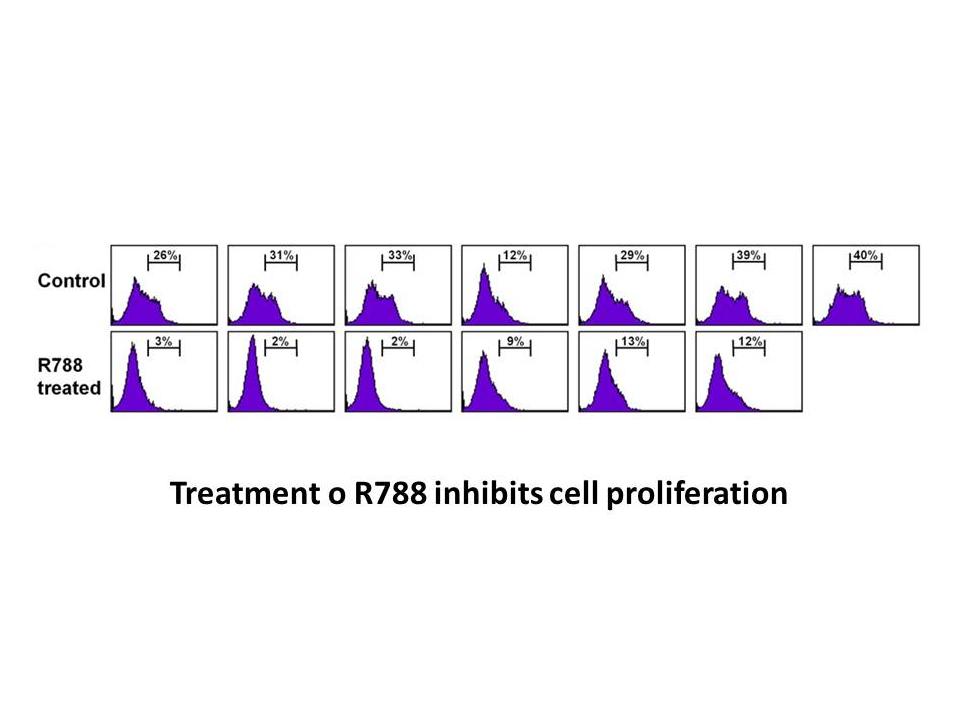
Sterol regulatory element binding proteins (SREBPs) regulate transcription of genes involved in fatty BOP reagent synthesis [38] (fatty acid synthase, and acetyl-CoA carboxylase) as well as triglyceride synthesis [39]. SREBP-1 protein levels are reduced in 3T3-F442A adipocytes [40] and increased in
-
br Advantages of modified proteins over unmodified ones
2020-09-29
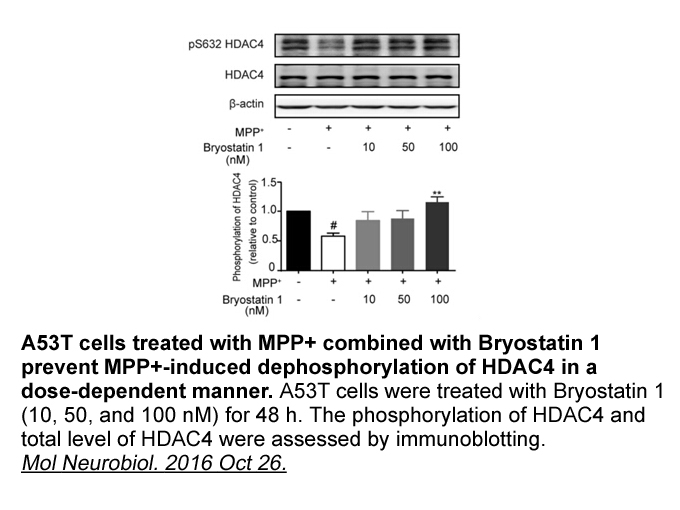
Advantages of modified proteins over unmodified ones In contrast to small-molecule drugs, proteins are readily amenable to site-specific alterations through genetic engineering. In principle, therefore, it is possible to build in features that allow them to remain active for longer in the body an
-
Models and theories The CPA equation of state is
2020-09-29
Models and theories The CPA equation of state is composed predominantly of two parts: physical item and the association item based on the thermodynamic perturbation theory [21], [22], [26], [27]. The physical item is used to represent intermolecular physical interaction, usually representing the SR
-
P H is a nonheme iron II
2020-09-29
P4H is a nonheme iron(II) dioxygenase that uses O2 and α-ketoglutarate as co-substrates (Fig. 1A). The three-dimensional structure of mammalian P4H is unknown. We reasoned that an electrophilic analog of α-ketoglutarate could serve as an irreversible inhibitor of the enzyme and, hence, a useful prob
-
br Acknowledgments br Introduction Cholesterol is an essenti
2020-09-28

Acknowledgments Introduction Cholesterol is an essential lipid for the development, growth, and wellbeing of humans. In newborn children, cord blood cholesterol concentration is 1.5 mmol/l, on average [[1], [2], [3], [4]]. During the first year of life, cholesterol concentration in serum incre
-
Another important consideration with respect to drug conditi
2020-09-28
Another important consideration with respect to drug conditioning suggested by the present findings is the observation of an attenuated Chrysin australia on the second extinction trial. Seemingly, if ERK measurements were made following a partial reduction in the conditioned response the ERK respon
-
br Non cyclic nucleotide EPAC regulators Despite the
2020-09-28
Non-cyclic nucleotide EPAC regulators Despite the success of 007 as a tool molecule, few studies to date have led to the identification of further EPAC-selective agonists. The most studied and controversial group of small-molecule EPAC regulators are the sulfonylurea (SU) family. SUs (Table 1) su
-
More than thirty enzymes with PLA activity have
2020-09-28
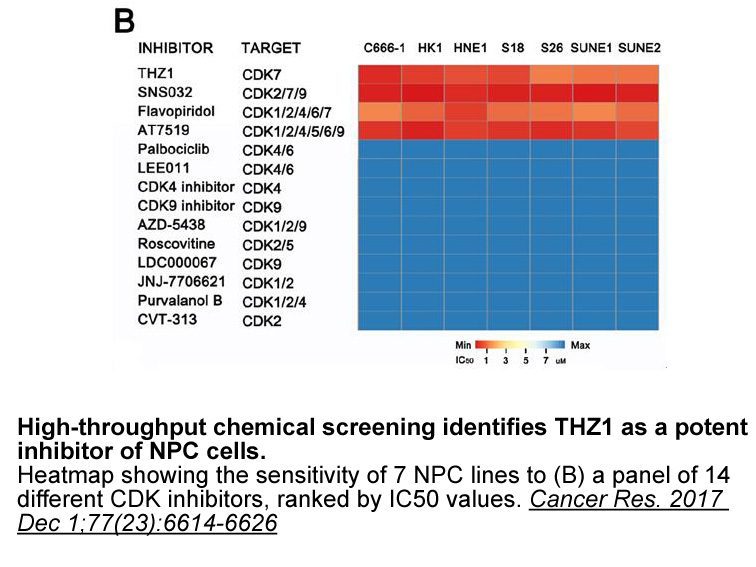
More than thirty enzymes with PLA2 activity have been described and, based on sequence similarities, they are currently classified in 16 groups, each containing several sub-groups [16]. However, based on biochemical features these enzymes are frequently grouped into six major families: secreted phos
-
Compared to ET all agonists tested showed a fold
2020-09-28
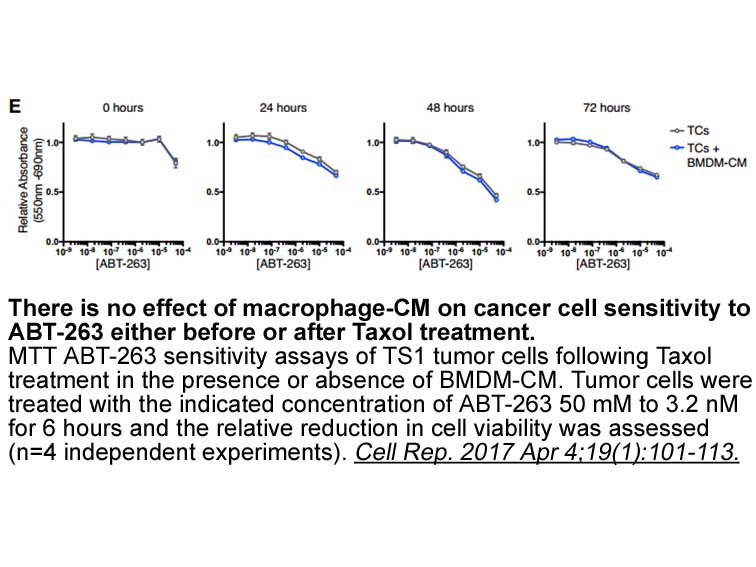
Compared to ET-1, all agonists tested showed a 2–4 fold bias for the G protein constrictor assay compared to the β-arrestin assay (Table 1). This preliminary analysis indicated that at least modest pathway bias for endogenous ET peptides is possible, however the physiological significance of this, i
-
PKA signalling in the nucleus was
2020-09-28
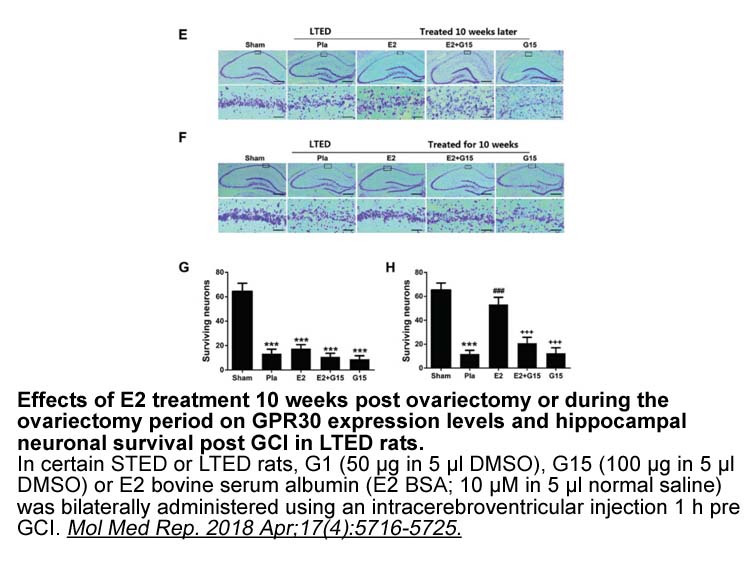
PKA signalling in the nucleus was thought to be due to the translocation of the catalytic subunit upon activation from the cholesterol absorption inhibitor to the nucleus via diffusion [72]. However, a new understanding has emerged, as both the regulatory and catalytic subunits have been identified
-
ApoE is secreted from astrocytes glia into the interstitial
2020-09-28
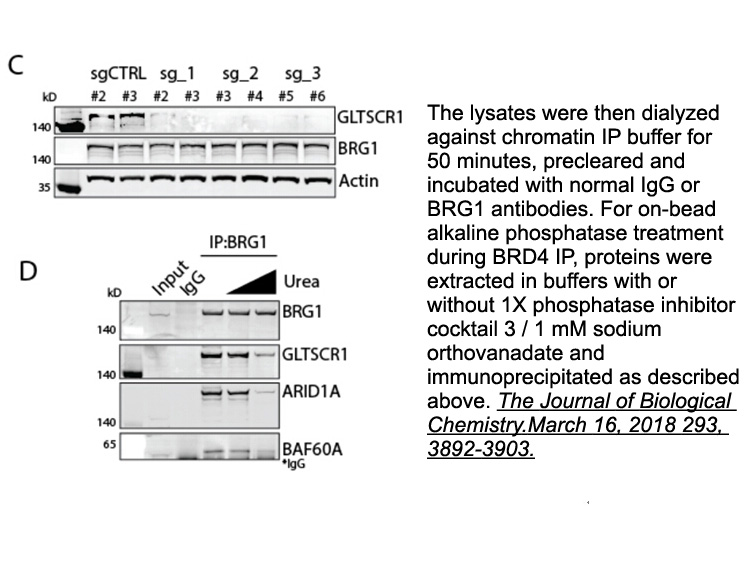
ApoE is secreted from astrocytes/glia into the interstitial fluid and is important for metabolizing Aβ because of its propensity for binding Aβ as a cholesterol and phospholipid acceptor in reverse cholesterol transport [8]. Aβ oligomers show a direct toxicity to neurons, and ApoE inhibits oligomer
-
In order to further understand the biological
2020-09-28
In order to further understand the biological significance of cell-collagen X interactions, we have examined the possibilities of involvement of other collagen receptors in cell binding to collagen X. The present study demonstrates that collagen X is a ligand for DDR2. DDR2 has been observed to bind
15064 records 807/1005 page Previous Next First page 上5页 806807808809810 下5页 Last page